
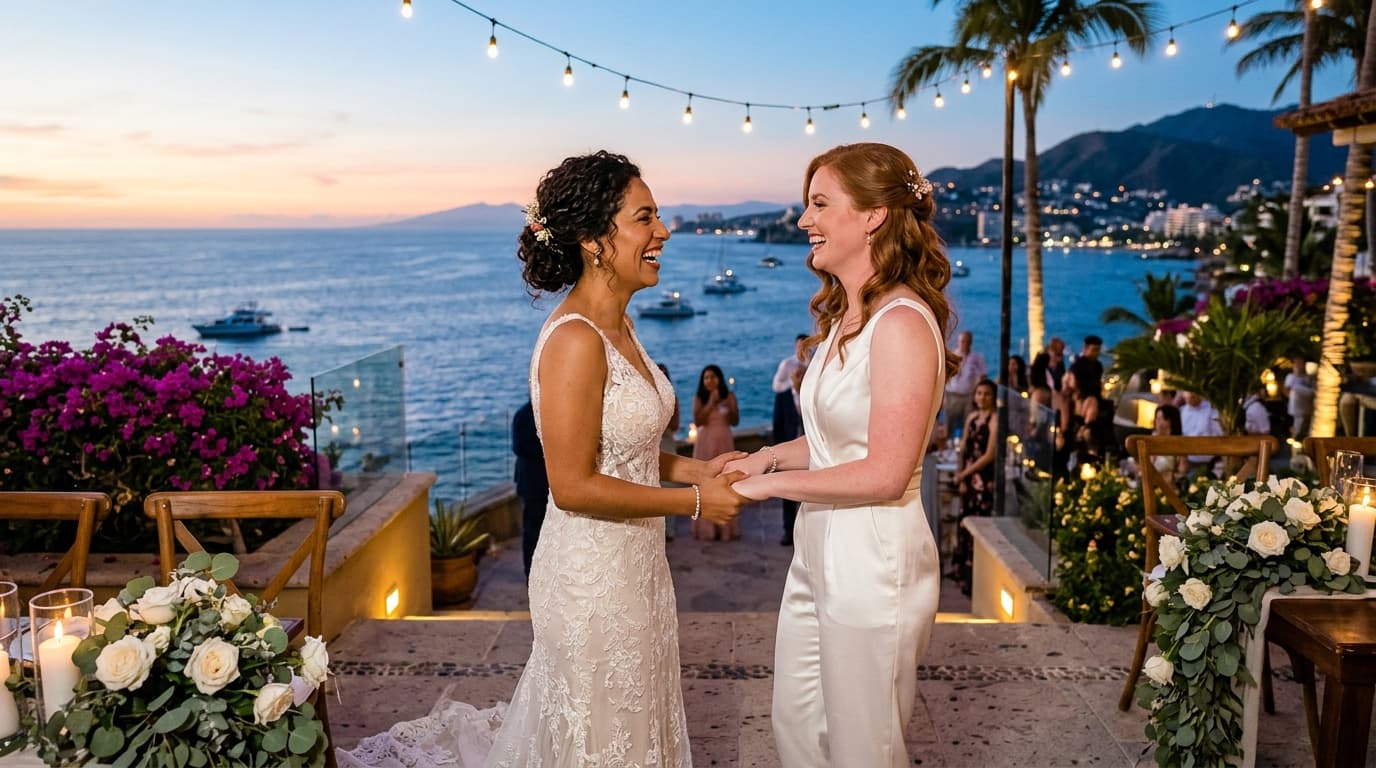
Private luxury villas perched along the emerald cliffs of Conchas Chinas, Amapas, and the South Zone offer unmatched romantic backdrops for Puerto Vallarta destination weddings. However, transforming a residential estate into a high-production venue capable of supporting Michelin-caliber catering, complex intelligent lighting arrays, high-wattage sound systems, and continuous climate control presents significant technical challenges. The municipal electrical grid managed by the Comisión Federal de Electricidad (CFE) in coastal hillside neighborhoods can experience voltage fluctuations, especially during peak tropical seasons. To preserve the flawless ambience of a luxury celebration, wedding planners and production engineers must design robust, redundant high-amperage power infrastructures tailored to private estates.
Auditing Villa Electrical Capacities in Coastal Enclaves
Unlike commercial resorts built with dedicated commercial sub-stations, private luxury villas are primarily engineered for residential consumption. Even expansive 10-bedroom estates in Sierra del Mar or Mismaloya often feature total electrical capacities limited to 100 to 200 amps per phase. When a luxury wedding production introduces heavy-draw assets—such as commercial induction ranges, deep-water pool lighting, high-output LED walls, dynamic moving-head light fixtures, and amplified audio setups—the instantaneous electrical draw can quickly exceed standard residential limits.
A meticulous power audit is the foundational step in any luxury villa event plan. Production directors must measure the villa’s baseline load, which includes existing air conditioning units, pool filtration pumps, and ambient residential lighting. Subtracting this baseline from the maximum rated amperage reveals the available net capacity. In most instances, luxury event designs demand dedicated external power sources to guarantee that residential breakers remain untipped throughout the event night.
Strategic Load Balancing and AV System Isolation
One of the most critical aspects of temporary power design is preventing voltage sags and electrical noise from compromising sensitive audiovisual equipment. High-draw culinary appliances, such as hot holding cabinets and heavy-duty refrigeration units, create transient voltage spikes when their compressors and heating elements cycle on and off. If these appliances share an electrical neutral line or phase with the main sound console or live band amplification, dirty power can introduce audible hums, ground loops, or equipment reboots.
To eliminate these risks, event engineers employ strict phase isolation protocols:
- Dedicated AV Circuits: Audio, video displays, and sensitive lighting controllers are isolated on a pristine, regulated power leg, completely separated from high-draw mechanical units.
- Balanced Three-Phase Distribution: Electrical loads are distributed evenly across all three phases (Leg A, Leg B, and Leg C) to prevent neutral wire overheating and phase imbalance.
- In-Line Power Conditioners: Sensitive DJ gear, digital mixing consoles, and projection equipment are backed by double-conversion online Uninterruptible Power Supplies (UPS) to smooth out voltage fluctuations seamlessly.
Deploying Silent Auxiliary Power: Specifications and Positioning
To ensure absolute redundancy and uninterrupted power, top-tier Puerto Vallarta villa weddings rely on quiet, high-capacity diesel or biodiesel generators. Ordinary industrial tow-behind generators are unsuited for luxury celebrations due to high sound levels (often exceeding 80 decibels) and diesel exhaust fumes. Production teams must source specialized ultra-silent generator units equipped with sound-attenuated acoustic enclosures operating at or below 58 to 62 dBA at seven meters.
Generator Positioning and Exhaust Routing
Logistical planning in cliffside terrain like Upper Conchas Chinas requires strategic placement of generator hardware:
- Acoustic Baffling: Generators are positioned behind existing structural masonry, far below key guest areas, or shielded by temporary sound-dampening acoustic curtains.
- Prevailing Wind Management: Units must be placed downwind of the main dining terrace and ceremony lawn to ensure thermal exhaust and engine fumes drift out toward open water or away from guest gathering zones.
- High-Gauge Feeder Cables: Heavy-duty, jacketed 4/0 Cam-Lok feeder cables route power from roadside or lower-level generator positions up multiple terrace levels, minimizing voltage drop over long cable distances.
Environmental Considerations: Humidity and Salt-Air Protection
Puerto Vallarta’s maritime microclimate presents environmental factors that directly impact temporary electrical installations. Coastal salt spray and high relative humidity (frequently exceeding 80% during late summer and early autumn) accelerate oxidation on exposed electrical contacts and distribution boxes. Equipment failure caused by salt crusting or moisture ingress can halt a luxury event instantly.
Production partners must enforce strict coastal weatherproofing standards:
- NEMA 4X Weatherproof Enclosures: All main distribution panels (spider boxes) and breaker centers must carry moisture and corrosion protection ratings.
- Elevated Cable Runs: Power distribution lines across outdoor lawns and oceanfront terraces are elevated using heavy-duty rubber cable ramps or subterranean wire channels to prevent contact with damp turf or pool overflow.
- Dielectric Grease Application: High-amperage twist-lock connectors and quick-connect terminals are treated with non-conductive dielectric compounds to seal out moisture and airborne salt particulates.
Technical Execution Checklist for Villa Event Designers
A flawless celebration hinges on seamless coordination between the wedding designer, technical director, caterer, and villa manager. Utilizing a comprehensive technical execution plan guarantees every power need is calculated and covered well before the first candle is lit.
Pre-Event Electrical Planning Steps
- Conduct a On-Site Meter Reading: Record peak and baseline amperage draws 48 hours prior to the event during maximum air-conditioning usage.
- Establish Priority Circuit Diagrams: Document which non-essential villa loads (e.g., secondary pool heaters, water features) can be shed to conserve power during peak reception hours.
- Confirm On-Site Fuel Reserves: Ensure primary and secondary backup generators carry enough low-sulfur diesel fuel to run continuous operations for 150% of the planned event duration.
- Retain an On-Duty Master Electrician: Have a certified electrician present on site throughout the celebration to monitor phase meters, load balance, and fuel levels in real time.
By engineering a dedicated, silent, and weather-resistant electrical infrastructure, luxury destination weddings in Puerto Vallarta’s private villas achieve the perfect balance: immaculate technical performance combined with uncompromised oceanfront elegance.